
Boston Burn Injury Lawyer
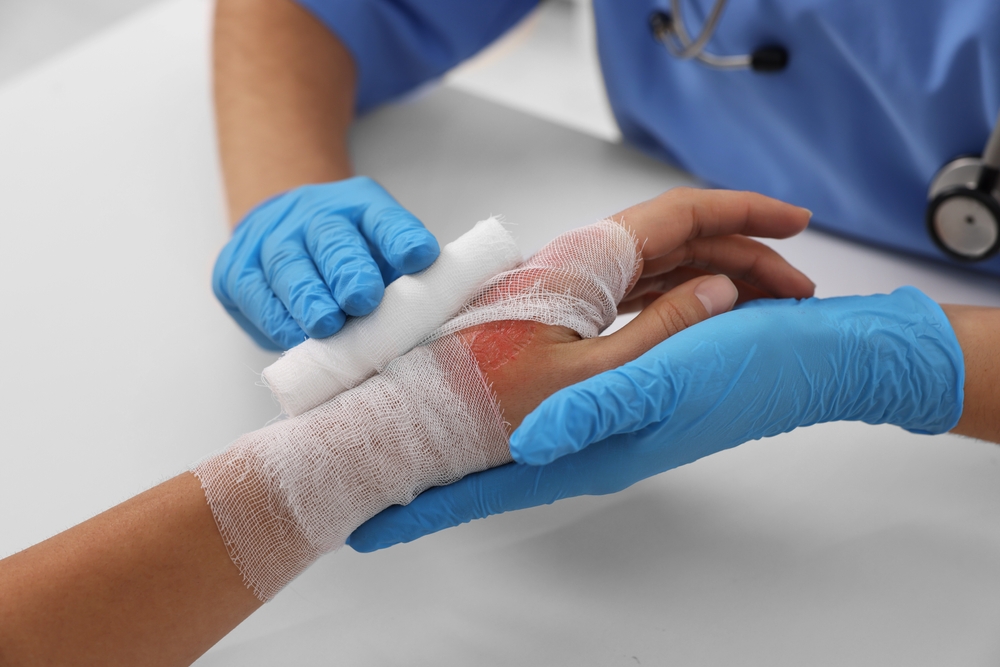
Burn injuries are among the most painful and life-altering injuries a person can suffer. They often require emergency hospitalization, repeated surgeries, skin grafts, and months of rehabilitation, and even then, many survivors live with permanent scarring, chronic pain, and psychological trauma. The American Burn Association estimates that roughly 486,000 burn injuries receive medical treatment each year in the United States, with about 40,000 requiring hospitalization. In a dense urban environment like Boston, those numbers carry real weight.
When a burn injury happens because of someone else’s negligence, you may have the right to pursue compensation under Massachusetts law. Our firm handles burn injury cases throughout Boston and the surrounding region, and we understand both the medical realities of these injuries and the legal steps required to hold negligent parties accountable. If you or a family member has been seriously burned due to another party’s actions, speaking with a Boston burn injury lawyer early can make a meaningful difference in your case.
Call Us NowWhat Burn Injury Cases Involve
Burn injuries are classified by degree, from first-degree surface burns to fourth-degree injuries that destroy muscle and bone. Third- and fourth-degree burns almost always require hospitalization, multiple surgeries, and long-term wound care. The road to physical recovery is difficult, and the costs accumulate quickly.
Beyond the physical toll, burn survivors frequently experience post-traumatic stress disorder, depression, and significant changes to their quality of life. These psychological injuries are real, documentable, and recoverable in a Massachusetts personal injury claim. Our Boston personal injury lawyers take a thorough approach to documenting every dimension of a client’s losses, not just the hospital bills.
Serious burn cases often involve disputes over the extent of injury, future medical needs, and long-term disability. Expert testimony from burn surgeons, rehabilitation specialists, and vocational experts typically plays a central role in establishing the full picture of harm.
How Liability Is Established
Proving liability in a burn injury case requires showing that another party owed you a duty of care, breached that duty, and that the breach caused your injuries. Understanding what negligence means in a legal context is an important foundation for any injury claim. Duty can arise from a property owner’s obligation to maintain a safe premises, a manufacturer’s responsibility to produce a safe product, or an employer’s duty to provide a safe work environment.
Evidence in these cases typically includes fire investigation reports, building inspection records, product defect documentation, and witness accounts. Massachusetts fire marshals and the Boston Fire Department often generate detailed incident reports that become central to litigation. The more thoroughly liability is documented early, the stronger the foundation for your claim.
Types of Burns and How They Affect Your Claim
The severity and cause of a burn directly affect how a legal claim is structured and valued. Chemical burns, electrical burns, and thermal burns each arise in different circumstances and may implicate different liable parties. A chemical burn at a job site may involve a negligent employer, a chemical manufacturer, or both.
Inhalation injuries that accompany fire accidents are often more medically serious than the burns themselves and carry significant long-term consequences. These injuries are frequently undervalued in early settlement discussions, which is one reason having legal representation matters. Every detail of the injury, its cause, and its ongoing effect on your life has a place in the damages calculation.
Common Causes of Burn Injuries in Boston
Boston’s housing stock is among the oldest in the country, and older buildings in neighborhoods like Allston, Dorchester, and East Boston often carry elevated fire risks. Faulty wiring, missing smoke detectors, blocked fire exits, and deferred maintenance all contribute to residential fire incidents. When a landlord or property manager fails to address known hazards, that failure can give rise to a premises liability claim.
Commercial fires in busy corridors such as the Seaport District, the Financial District, and restaurant-heavy blocks in the South End are not uncommon. Business owners have a legal duty to maintain safe conditions for customers and employees alike. When that duty is neglected, and someone suffers a burn injury as a result, the property owner may bear legal responsibility for the harm.
Workplace and Construction Site Burns
Boston is in the middle of a prolonged construction boom, particularly around the Seaport, Assembly Row in Somerville, and major infrastructure projects near Kenmore Square and the Medical Campus. Construction workers are exposed to welding sparks, flammable materials, electrical hazards, and chemical agents on a daily basis. When workplace safety protocols are not followed, burn injuries become a foreseeable and preventable outcome.
Workers injured on the job in Massachusetts may pursue benefits under workers’ compensation, but workers’ comp does not cover all losses. If a third party, such as a subcontractor or equipment manufacturer, contributed to the accident, a separate personal injury claim may also be available. Understanding both avenues of recovery is important when evaluating what you are owed.
Defective Products and Appliances
Defective appliances, faulty gas lines, and malfunctioning consumer products cause burn injuries throughout Greater Boston each year. When a product is designed or manufactured in a way that creates an unreasonable fire or explosion risk, the manufacturer may be held liable under Massachusetts product liability law. These cases can involve anything from a malfunctioning kitchen appliance to an e-cigarette battery failure to a defective gas fitting in a residential unit.
Our product liability attorneys handle cases where a defective product contributed to a fire or burn injury. These claims often require engineering experts to identify design flaws and trace the chain of distribution. Holding manufacturers and distributors accountable can be a significant part of a burn injury case.
Massachusetts Law and How it Applies
Massachusetts follows a modified comparative negligence rule under Chapter 231, Section 85 of the General Laws. This means that if you are found to be 51% or more at fault for your own injuries, you cannot recover anything. If you are 50% or less at fault, your recovery is reduced proportionally by your share of fault.
This rule matters enormously in burn injury cases because defendants and their insurers regularly attempt to shift blame onto the injured person. They may argue you ignored warnings, failed to evacuate quickly, or used a product improperly. Anticipating and countering these arguments through careful case preparation is a core part of what we do.
Other states handle this differently. Some states use “pure” comparative fault, where you can recover even if you are 99% responsible. A handful still follow contributory negligence, which bars all recovery if you share any fault. Massachusetts sits in the middle, which makes your percentage of fault a critical number to manage.
Workers’ Compensation and Third-Party Claims
When a burn injury happens at work, Massachusetts law under Chapter 152 creates an exclusive remedy through the workers’ compensation system, meaning you generally cannot sue your employer directly. Workers’ comp covers medical expenses and a portion of lost wages, but it does not compensate for pain and suffering. That limitation leaves a meaningful gap in recovery for many burn survivors.
However, if a third party, such as a property owner, a contractor, or a product manufacturer, contributed to the injury, you may pursue a separate civil claim in addition to your workers’ comp benefits. Managing both claims simultaneously requires careful coordination so that a workers’ compensation lien does not erode your civil recovery more than it should. Our attorneys work through both tracks when the facts support it.
Wrongful Death from Burn Injuries
When a burn injury is fatal, Massachusetts General Laws Chapter 229 allows eligible family members to pursue a wrongful death claim. Recoverable damages include the fair monetary value of the decedent’s life, conscious suffering prior to death, medical and funeral expenses, and lost financial support. Our wrongful death attorneys handle cases where negligent parties caused a fatal fire or explosion.
These cases carry a three-year statute of limitations in Massachusetts, though certain exceptions can shorten that window in specific circumstances. Acting promptly preserves critical evidence, ensures witnesses remain accessible, and protects your right to file. Grieving families should not wait to learn their legal options.
Damages and Compensation Overview
Economic damages in a burn injury case are the measurable financial losses directly tied to the injury. These include past and future medical expenses, hospitalization costs, reconstructive surgery, rehabilitation, and durable medical equipment. Lost wages and diminished earning capacity are also economic damages when a burn injury affects your ability to work.
Understanding how personal injury damages work in Massachusetts is the starting point for evaluating what a case may be worth. Future medical costs in burn cases are often substantial because of the need for ongoing wound care, scar revision surgeries, and mental health treatment. A thorough economic analysis typically requires input from medical and financial experts.
Non-Economic Damages
Non-economic damages compensate for losses that do not come with a price tag, such as physical pain, emotional distress, disfigurement, loss of enjoyment of life, and the impact on personal relationships. Massachusetts does not cap non-economic damages in most personal injury cases, which is meaningfully different from many other states. This matters significantly in serious burn cases where disfigurement and lasting psychological harm are central to the injury.
Burns that leave visible scars on the face, neck, or hands carry particularly significant non-economic value because of the way they affect daily life and self-image. Courts and juries in Massachusetts take these injuries seriously. Documenting the full scope of non-economic harm through medical records, mental health evaluations, and personal testimony is essential to a complete claim.
Punitive and Enhanced Damages
In certain circumstances, Massachusetts allows for enhanced damages under the wrongful death statute and for claims involving particularly egregious conduct. These are not available in every case, but when a defendant acted with conscious disregard for safety, a heightened damages award may be on the table. This is another reason why the specific facts of how a burn injury occurred matter so much to the outcome of a case.
Our attorneys also serve clients in Cambridge, Somerville, Quincy, Medford, and Malden, so if the injury occurred outside Boston proper, we can still help. Burn injuries that happen in connected communities throughout Greater Boston fall within the same Massachusetts legal framework. Wherever you are located, the same commitment to thorough case preparation applies.
Frequently Asked Questions About Burn Injury Claims in Massachusetts
If you have questions about pursuing a burn injury claim in Boston, you are not alone. The legal process can feel uncertain after a traumatic injury, and these answers address the questions our attorneys hear most often.
Talk to a Boston Burn Injury Attorney

Burn injuries change lives quickly and in lasting ways. The decisions you make in the weeks following a serious burn, about medical treatment, evidence preservation, and legal representation, can shape the outcome of any claim you have the right to bring.
Our firm handles fire and burn-related accident cases throughout Boston and the surrounding area, and we represent clients on a contingency fee basis so that cost is not a barrier to getting help. Contact us today to schedule a free consultation and discuss what happened.