
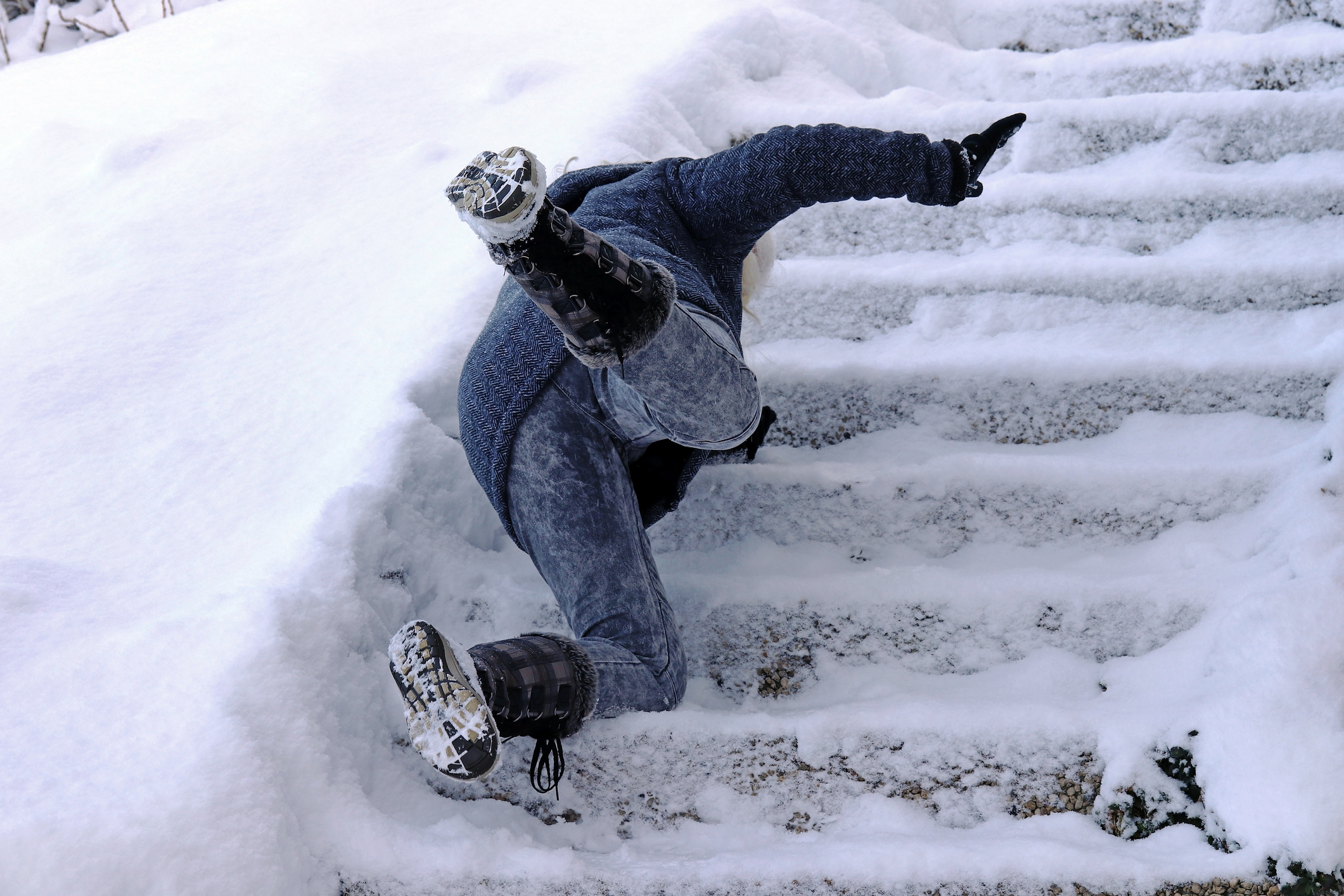
What to Do When Icy Conditions Cause Slip & Fall Hazards

Winter in Massachusetts brings more than cold temperatures. Ice forms fast, often overnight, and it can turn a sidewalk, parking lot, or front step into a genuine hazard before property owners even realize it.

Slipping on ice is one of the most frequent causes of winter injuries, and the consequences can be far more serious than most people expect. In fact, around 17,000 falls involving ice each year in the U.S. end up becoming fatal. If you or someone you know has been hurt in a fall, understanding your rights is an important first step.

Why Ice Is So Dangerous

Ice is deceptive. It can be nearly invisible on pavement, and it gives no warning before injuring someone. The injuries that result are often significant and sometimes life-altering.

How Often People Are Hurt Each Winter

Ice accounts for a substantial share of winter emergency room visits across the country. The CDC reports that millions of adults are treated for fall-related injuries each year, with slippery surfaces being among the most frequently cited causes. When you consider how many people slip on ice every year, the numbers reflect a widespread and largely preventable problem.

Types of Injuries People Incur from Slipping on Ice

Injuries suffered most often from people slipping on ice include broken wrists, hip fractures, head trauma, and spinal injuries. Wrists and hands often take the impact because the instinct is to reach out and catch yourself. Head and spinal injuries are particularly concerning because they may not show symptoms immediately.

Who Faces the Highest Risk

Older adults face a disproportionate risk from icy falls, partly due to reduced balance and bone density. However, younger adults and workers in outdoor occupations are also frequently injured, particularly in early morning hours when black ice is most prevalent. No age group is fully protected when ice goes untreated on a walking surface.

Property Owner Responsibilities After a Freeze

Massachusetts property owners have a legal duty to maintain reasonably safe conditions on their premises. When ice accumulates and goes unaddressed, that duty may not be met, and injured visitors may have grounds for a slip and fall claim.

The Duty to Clear Ice

Property owners, including residential landlords, businesses, and municipalities, are generally responsible for removing ice from walkways, parking lots, and entryways. This duty applies to both naturally occurring ice and ice caused by drainage issues or other property conditions. Failure to address known hazards can expose a property owner to liability.

What Counts as a Reasonable Timeframe

Massachusetts courts have looked at whether property owners took action within a reasonable period after ice formed or after a storm ended. There is no universal rule, but property owners are generally expected to address hazardous conditions promptly rather than waiting days to act. Factors like when the storm happens, temperature, and available resources all play into what a court might consider reasonable.

When Inaction Becomes Negligence

Negligence in a case like this typically means a property owner knew or should have known about the icy condition and failed to take reasonable steps to fix it. Repeated temperature cycles that refreeze melting snow, known problem areas that ice over regularly, and broken drainage systems are all conditions that may support a negligence claim. If those facts are present, an attorney can help evaluate whether a personal injury case is worth pursuing.

How to Prevent an Accident on Ice

Here are some tips for preventing slipping on ice during the colder months:

  • Use the “penguin walk” technique to minimize the forward and backward forces that lead to falls.
  • Avoid plastic or leather soles to maximize your grip on icy surfaces. Wear boots made of non-slip rubber, which will give you better traction.
  • Test the surface before putting your full weight on it to prevent falls on slicker patches.
  • Keep your hands out of your pockets to maintain your balance.
  • Apply salt or sand early on to prevent ice from building up on surfaces. (Note that salt only works for melting ice above 15 degrees.)
  • Assume all wet and dark areas on pavements are ice and avoid them whenever possible.
  • Tap your foot lightly on an icy patch to help you gauge how slick it is.

What to Do if You Slip and Fall on Ice

The steps you take right after this type of accident can affect your ability to recover compensation later. Acting quickly and carefully matters.

Immediate Steps to Take

Seek medical attention even if you feel only mild pain, since some injuries worsen over hours or days. Report the incident to the property owner or manager before leaving the scene when possible. Keep any clothing or footwear you were wearing, as these may become relevant to your case.

Documenting the Scene

Photograph the area where the accident happened, including the ice, any signage, and surrounding conditions. If anyone witnessed the accident, collect their names and contact information. A written account of what happened, created as soon as possible, can also help preserve details that memory fades.

When to Contact an Attorney

You should speak with an attorney if your injuries required medical care, caused you to miss work, or resulted in ongoing pain or limitations. Massachusetts has a statute of limitations that puts a deadline on when injury claims must be filed. Reaching out early gives you more time to gather evidence and understand your options.

Frequently Asked Questions About Slipping on Ice

Ice cases raise a lot of practical questions. The answers below address some of the most common concerns, though every situation is different and nothing here constitutes legal advice.

Liability for public sidewalk ice depends on local ordinances and which government entity maintains the area. In some Massachusetts municipalities, abutting property owners are responsible for sidewalk maintenance. Claims against government entities also involve specific procedural rules and shorter notice deadlines.

Black ice, which is nearly transparent and extremely hard to see, is still a hazard that property owners may be responsible for addressing. Courts do not require that ice be obvious or visible to find that a property owner had a duty to act. Whether the condition was detectable through reasonable inspection is what typically matters.

Massachusetts follows a comparative negligence standard, meaning your own conduct can reduce but may not eliminate your ability to recover. If a jury finds you partially at fault, for example, due to footwear choices, your compensation may be reduced by your percentage of fault. Whether footwear significantly affects a case depends on the full circumstances.

The general statute of limitations for personal injury claims in Massachusetts is three years from the date of injury. Claims against government entities may require a formal notice within a much shorter window, sometimes as little as 30 days. Missing these deadlines typically bars recovery entirely.

Photographs of the scene, witness statements, incident reports, weather records, and medical documentation are all valuable. Evidence showing the property owner had prior notice of the icy condition is especially useful. Acting quickly to preserve this information improves the strength of any potential claim.

Yes. Accidents on commercial property, rental property, government-maintained areas, and other non-private premises can all give rise to injury claims, depending on the facts. The legal standards vary by property type and ownership. An attorney can help clarify which rules apply to your specific situation.


Talk to an Attorney About How to Seek Compensation for Your Personal Injury

If you were hurt after slipping on ice, you do not have to figure out your next steps alone. Our attorneys work with people who have been injured due to unsafe winter conditions and can help you understand whether you have a viable claim. Contact our office to schedule a consultation and discuss what happened.

All content found on the dillerlaw.com website, including: text, images, audio, social media or other formats were created for informational purposes only. The content is not intended to be a substitute for professional medical or legal advice, diagnosis, or treatment. Always seek the advice of your physician or other qualified health provider with any questions you may have regarding a medical condition. Always seek the advice of your attorney or other qualified counsel with any questions you may have regarding a legal issue. Never disregard professional medical or legal advice or delay in seeking a medical or legal opinion because of something you have read on this website. This website contains links to other third-party websites. Links are to assist the reader; Diller Law and its representatives do not recommend or endorse the contents of these third-party websites. post disclaimer