
Boston Train Accident Attorney
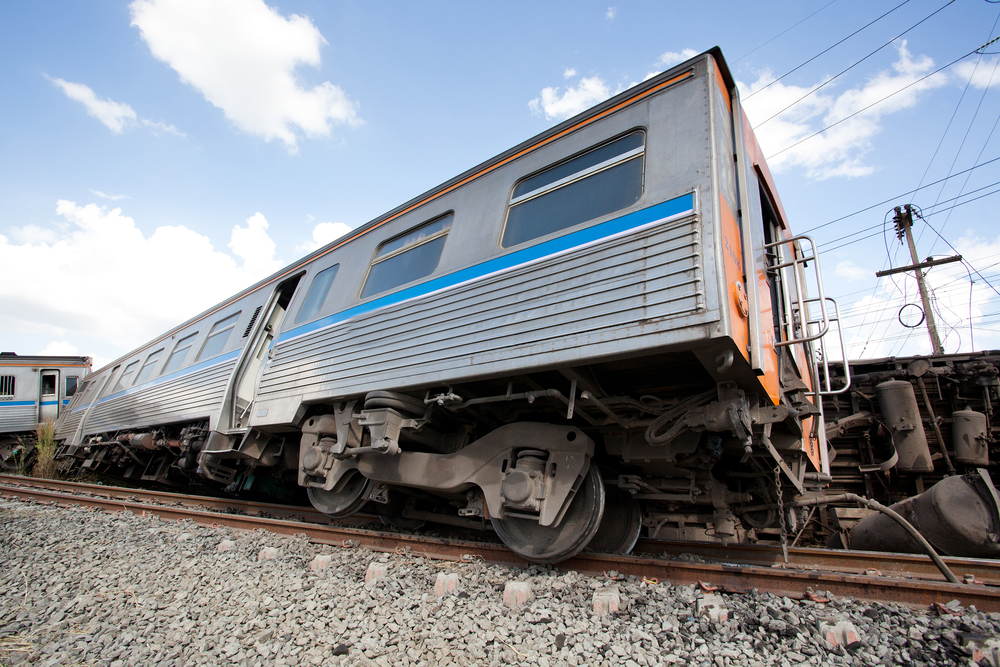
Train accidents can involve subway cars, commuter rail lines, Amtrak service, freight trains, or incidents at stations and grade crossings. These cases are rarely straightforward. They may involve public transit authorities, private rail operators, federal safety regulations, and overlapping insurance policies.
At Diller Law, we represent passengers, railroad employees, pedestrians, and motorists injured in train and rail-related incidents throughout Boston and New England. Whether the incident occurred on a Massachusetts Bay Transportation Authority (MBTA) subway line, aboard a commuter rail train departing South Station, or at a crossing in the surrounding suburbs, we investigate how it happened and determine who is legally responsible.
Railroad accident cases often require analysis under both Massachusetts law and federal statutes such as the Federal Employers’ Liability Act (FELA). Understanding which body of law applies is one of the first steps in evaluating a claim. Our role is to identify responsible parties, preserve critical evidence, and pursue compensation for medical expenses, lost income, and other legally recognized damages.
Where Train Accidents Occur in Boston
Boston’s rail network includes MBTA subway (“T”) lines, light rail service, commuter rail routes, and Amtrak connections along the Northeast Corridor. With thousands of daily riders moving through stations such as Park Street, Government Center, Back Bay, South Station, and North Station, incidents can occur in many different settings.
Train accident claims in the Boston area may arise from:
- Subway and light rail incidents on the Green, Orange, Red, or Blue Lines
- Commuter rail operations serving communities throughout eastern Massachusetts
- Amtrak routes traveling through South Station and Back Bay
- Grade-crossing collisions in suburban communities
- Falls and injuries in stations, platforms, stairways, and parking facilities
Not every case involves a derailment or train-to-train collision. Many injuries occur during routine operations — sudden stops, door malfunctions, platform hazards, overcrowding during peak commuting hours, or poorly maintained station infrastructure.
Because the MBTA system involves multiple operators and contractors, identifying which entity controlled the train, track, or station area at the time of the incident is often a key part of the investigation.
Types of Train and Railroad Accident Cases We Handle
Train accidents do not all look the same. Some involve large-scale derailments or collisions. Others involve injuries that occur during normal operations — boarding, exiting, riding, or moving through stations and platforms.
We handle train and rail-related injury claims involving:
Derailments, Collisions, and Sudden Stops
Rail incidents can cause serious injuries even without a dramatic derailment. A collision, abrupt stop, or unexpected movement of a railcar can throw passengers off balance and lead to head injuries, fractures, and other harm. In more severe events, multiple passengers may be injured at once.
Platform, Station, and Boarding Injuries
A significant number of claims arise in and around stations rather than on open track. These incidents may involve unsafe platform conditions, stairways, escalators, crowding during peak commuting hours, or doors that close unexpectedly during entry or exit. In busy areas, small failures in safety procedures can quickly lead to serious injuries.
Grade-Crossing Collisions
Train-related injuries may also occur when a motor vehicle is struck at a railroad crossing. These cases often involve high-impact collisions and may raise questions about visibility, warning devices, and the conduct of drivers and train operators.
Pedestrian Incidents Near Tracks
Pedestrians may be injured near track areas, crossings, or station entrances. These claims may involve questions about signage, barriers, lighting, and the overall safety measures in place for people walking near rail infrastructure.
Railroad and Rail-Yard Worker Injuries
Rail employees can suffer injuries while working on trains, performing track maintenance, or operating around rail yards and equipment. These cases often involve different legal rules than passenger injury claims, which we address below.
How Train Accident Claims Differ for Workers and Passengers
Train accident cases can involve different legal frameworks depending on who was injured and the context of the incident. One of the most important distinctions is whether the injured person is a railroad employee or a passenger, pedestrian, or motorist.
Claims by Railroad Employees Under FELA
Railroad employees are generally covered by the Federal Employers’ Liability Act (FELA) rather than Massachusetts workers’ compensation. Under FELA, an injured worker may bring a claim against the railroad if the employer’s negligence contributed to the injury. This may involve unsafe working conditions, inadequate training, defective equipment, or failures in safety policies and procedures. When liability can be established, damages may include medical costs, lost income, diminished earning capacity, and pain and suffering.
Claims by Passengers, Pedestrians, and Motorists Under Massachusetts Law
Passengers injured on trains or in stations, as well as pedestrians and drivers involved in rail-related incidents, typically bring claims under Massachusetts negligence law. These cases focus on whether a party owed a duty of care, breached it, and caused compensable harm.
Comparative Fault Considerations
Both FELA and Massachusetts negligence claims can involve comparative fault. If an injured person is found partially responsible, compensation may be reduced proportionally. Partial fault does not automatically prevent recovery.
Identifying which legal framework applies early is essential because it affects how we investigate the case, what evidence matters most, and how damages may be evaluated.
Who May Be Liable After a Boston Train Accident
Train accident cases often involve more than one potentially responsible party. Liability may rest with:
- The Massachusetts Bay Transportation Authority
- Private operators such as Keolis (which operates MBTA commuter rail)
- Amtrak
- Freight rail carriers
- Maintenance or signal contractors
- Equipment manufacturers
- Drivers involved in grade-crossing collisions
- Property owners adjacent to rail facilities
Public entities such as the MBTA are subject to the Massachusetts Tort Claims Act, which includes specific procedural requirements and notice rules. Claims against public agencies differ from claims against private parties and must be handled carefully.
In some cases, defective equipment — such as brakes, doors, signals, or crossing systems — may give rise to product liability claims against manufacturers in addition to negligence claims against operators.
Identifying all responsible parties early in the process helps protect a client’s ability to pursue full compensation.
How Our Boston Train Accident Lawyers Investigate Your Claim
Train accident investigations often require more than reviewing a standard police report. When someone comes to our office after a rail-related injury, we explain that early evidence preservation is critical.
We work to obtain:
- Surveillance footage from stations and onboard cameras
- Event recorder (“black box”) data
- Signal and crossing records
- Maintenance and inspection logs
- Crew schedules and training records
- Agency investigation reports
In serious cases, we consult with engineers, rail safety specialists, and accident reconstruction experts to evaluate track conditions, braking systems, and train positioning.
Because Boston stations and commuter rail lines can be crowded, witness accounts may be essential in reconstructing what happened. Surveillance video is often overwritten quickly, which is why prompt legal action can be important.
Getting Fair Compensation in Massachusetts Train Accident Cases
The value of a train accident claim depends on the type of case, the severity of the injuries, and how those injuries affect a person’s ability to work and function over time. A minor injury resolved in weeks is evaluated differently from a catastrophic injury requiring lifelong care.
In passenger and pedestrian cases brought under Massachusetts law, recoverable damages may include:
- Medical costs and expenses
- Future medical treatment
- Lost wages
- Loss of earning capacity
- Pain and suffering
- Loss of enjoyment of life
- Funeral and burial costs in wrongful death claims
For railroad employees proceeding under FELA, recoverable damages may include medical costs, wage loss, reduced future earnings, and pain and suffering resulting from employer negligence. Because FELA replaces workers’ compensation for railroad employees, it allows recovery for non-economic damages that would not otherwise be available.
Claims involving public entities such as the MBTA may be subject to statutory limitations or procedural requirements that can affect how compensation is pursued.
Long-Term and Permanent Complications
Train accidents can cause injuries that extend far beyond the initial emergency treatment. Traumatic brain injuries, spinal cord damage, orthopedic injuries, and chronic pain conditions may require years of rehabilitation and ongoing medical care. In some cases, individuals are unable to return to their prior occupation, particularly in physically demanding jobs.
When evaluating a claim, our train accident attorneys consider not only your current medical bills, but also:
- Future surgeries or procedures
- Long-term therapy or rehabilitation
- Permanent work restrictions
- Loss of retirement contributions or employment benefits
- The overall impact on daily living
Medical records, expert opinions, and employment documentation all play a role in assessing the full scope of damages. Our goal is to understand how the injury has changed our client’s life — not just immediately after the accident, but months and years into the future.
Each case requires careful analysis of both legal standards and medical evidence. We approach compensation evaluation methodically, with attention to documentation and long-term consequences.
Deadlines for Boston Train Accident Claims
Most Massachusetts personal injury and wrongful death claims must be filed within three years of the accident or death. FELA claims also generally carry a three-year statute of limitations.
Claims involving public entities such as the MBTA may require formal written notice within a shorter period under the Massachusetts Tort Claims Act.
Because deadlines can vary depending on the type of claim and the parties involved, early consultation is important to preserve legal rights.
Speak with a Train Accident Attorney in Boston
If you or a family member were injured in a train accident involving the MBTA, commuter rail, Amtrak, or a freight carrier in Boston or another location in New England, we can review your situation and explain your legal options. Diller Law offers a free consultation to evaluate potential claims and discuss next steps. Call or contact us today.