
Boston Towing & Storage Accident Attorney
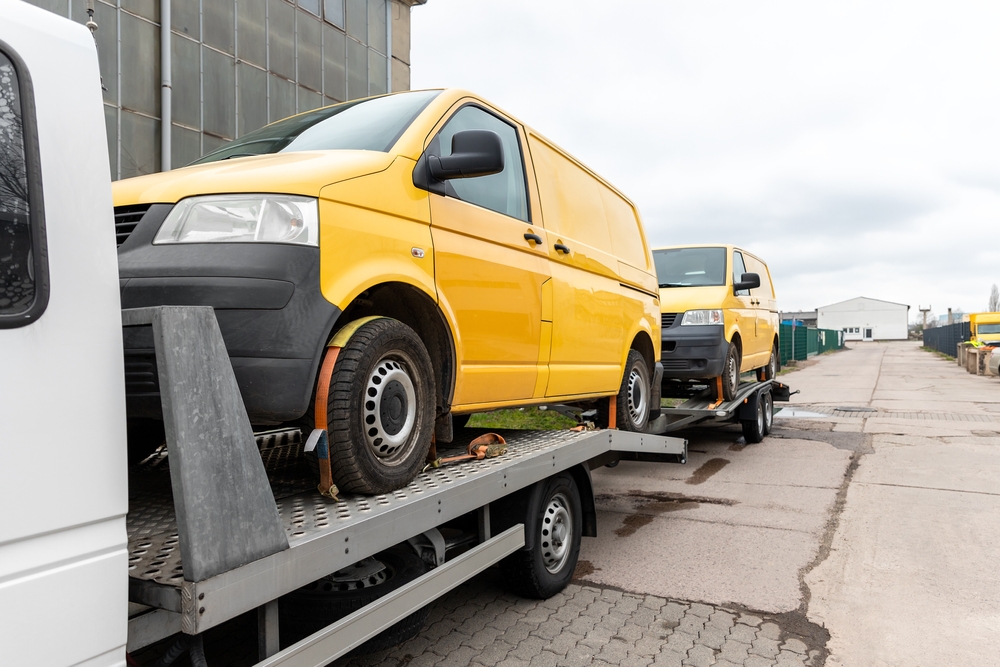
After a car accident in Boston, the immediate focus is often on injuries and vehicle damage. But once the scene clears, many drivers face another costly problem: towing and storage fees. If your vehicle is removed from the scene, daily storage charges can begin accumulating immediately — sometimes before you even understand where your car has been taken.
In Massachusetts, accident victims may be entitled to recover towing, storage, and related expenses from an at-fault driver or through applicable insurance coverage. However, disputes frequently arise over who pays, whether the charges are reasonable, and how long a vehicle must remain in storage.
A Boston towing & storage accident attorney at Diller Law can help you understand your rights, identify available coverage, and pursue reimbursement for accident-related expenses. We offer free consultations to review your situation and explain your options.
What Happens After Your Vehicle Is Towed?
If your car cannot be driven after a crash, police officers at the scene may request a tow. In other cases, you may call a towing company directly. Once your vehicle is removed, it is typically transported to:
- A local storage yard
- A salvage facility
- Or a repair shop, if one is designated
When a specific destination is not requested, vehicles are often taken to a storage lot where daily fees begin accruing. In some situations, a second tow may later be required to move the vehicle to a repair facility, increasing overall costs.
Storage fees can quickly reach hundreds — or even thousands — of dollars. Insurance carriers may only agree to reimburse charges they consider “reasonable,” which can lead to disputes over duration, daily rates, and whether the vehicle remained in storage longer than necessary.
Understanding where your car is located, how much you are being charged, and what steps must be taken to release it is critical to limiting financial exposure.
Who Pays Towing and Storage Costs After a Massachusetts Car Accident?
Responsibility for towing and storage expenses depends on fault, insurance coverage, and the specific circumstances of the vehicle accident.
In Massachusetts, if another driver caused the collision, their property damage liability coverage may be responsible for reimbursing reasonable towing and storage charges. However, fault determinations are not always immediate, and insurers may delay payment while investigating.
If you carry collision coverage on your own policy, your insurer may cover towing costs regardless of fault, subject to your deductible. Some policies also include optional roadside assistance or towing coverage that applies in certain situations.
Disputes commonly arise when:
- Fault is contested
- Insurance policy limits are low
- Charges are considered excessive
- The vehicle remains in storage longer than the insurer believes necessary
A personal injury lawyer from Diller Law can review your policy, communicate with insurance adjusters, and work to recover eligible expenses while your broader accident claim is pending.
What to Do with a Totaled Car After a Boston Accident
If your vehicle is declared a total loss after a crash, knowing what to do with a totaled car can help you avoid unnecessary expenses and delays. In Massachusetts, a car is typically considered totaled when repair costs approach or exceed its fair market value.
After an insurer determines the vehicle is a total loss, several steps follow:
- Confirm the total loss valuation. Insurance companies calculate actual cash value based on market data, mileage, and condition. Review the valuation carefully to ensure it reflects your vehicle’s true worth.
- Understand your lien obligations. If you financed the vehicle, the insurance payment may go directly to the lender. If the payout is less than the remaining loan balance, you may still owe the difference unless you carry gap coverage.
- Coordinate storage release promptly. Once the vehicle is deemed totaled and inspected, it should be released from storage as soon as possible to avoid continued daily charges.
- Retrieve personal property. Remove all personal belongings before the vehicle is transferred or scrapped.
- Consider title and salvage implications. In some cases, owners may retain salvage rights, but this can affect future registration and resale.
One of our Boston towing & storage accident lawyers can help ensure that total loss determinations are fair and that towing, storage, and valuation disputes are handled appropriately while your broader accident claim moves forward.
Can a Towing Company Be Liable for Excessive Fees or Damages?
In some cases, the dispute is not just about insurance coverage; it involves the towing company itself. While most towing providers operate lawfully, problems can arise when fees are excessive, vehicles are improperly held, or required procedures are not followed.
Under Massachusetts law, towing companies must comply with specific regulations governing rates, storage practices, and notice requirements. When those rules are violated, a vehicle owner may have legal recourse.
Common towing-related issues include:
Excessive or Unreasonable Fees
Towing and storage charges must be reasonable under the circumstances. Inflated daily storage rates, administrative add-on fees, or unnecessary secondary tows can dramatically increase the final bill. If charges exceed what is customary throughout New England, they may be subject to challenge.
Unauthorized or Predatory Towing
In some situations, a vehicle is removed without proper authorization or clear documentation. This can occur after an accident scene clears or when a tow truck arrives unsolicited. If a company removes your vehicle without lawful authority, it may be liable for resulting damages.
Improper Vehicle Retention or Lien Practices
Massachusetts law permits towing companies to assert liens for unpaid charges, but strict procedures apply. Failure to provide proper notice, inflated billing to pressure payment, or refusal to release personal belongings may violate consumer protection laws.
Failure to Mitigate Storage Costs
When insurers request prompt inspection of a vehicle, unreasonable delays or refusal to cooperate can increase storage expenses unnecessarily. In some cases, disputes over inspection timing create additional financial harm for accident victims.
When a towing company engages in unfair or deceptive practices, claims may arise under Massachusetts General Laws Chapter 93A, the state’s consumer protection statute. A towing company damages attorney can evaluate whether improper billing or unlawful conduct gives rise to a separate legal claim.
If your vehicle was towed after a crash and you believe the charges are excessive or the process was mishandled, Diller Law can assess the situation and explain your options. Our legal team works to protect accident victims from unnecessary financial losses — whether the dispute involves an insurance carrier, an at-fault driver, or a towing company.
Preserving Evidence Before Releasing a Towed Vehicle
After a serious collision, your vehicle may become critical evidence in a personal injury or property damage claim. While storage fees can add financial pressure, removing or repairing a vehicle too quickly may complicate your ability to prove fault.
Insurance companies often require an inspection before authorizing repairs or issuing payment. If the vehicle is altered, repaired, or scrapped before it is documented, disputes may arise regarding the cause and extent of the damage.
In some cases, preserving the vehicle is especially important when:
- Liability is contested
- A mechanical defect may have contributed to the crash
- A commercial vehicle was involved
- A product liability claim is being considered
For example, if brake failure, steering malfunction, or another equipment issue played a role, the physical condition of the vehicle may serve as key evidence. Similarly, in high-impact collisions, vehicle damage patterns can help accident reconstruction experts determine how the crash occurred.
Massachusetts law allows injured parties to pursue compensation from negligent drivers and other responsible parties. Protecting the integrity of physical evidence can strengthen your claim and prevent insurance carriers from disputing responsibility.
A Boston towing & storage accident attorney can coordinate with insurers to ensure necessary inspections are completed promptly, helping you limit storage charges while preserving the evidence needed to recover damages.
How a Boston Towing & Storage Accident Attorney Can Help
Disputes over towing and storage fees often arise while a larger accident claim is still pending. At the same time, insurance carriers may delay payment, question charges, or argue that certain costs are unreasonable. Navigating these issues alone can increase financial pressure during an already stressful time.
A Boston towing & storage accident attorney at Diller Law can step in to protect your interests and pursue recovery of accident-related expenses. Our legal team may assist by:
- Reviewing insurance coverage: We analyze your policy and the at-fault party’s coverage to determine whether towing, storage, rental vehicle costs, and property damage are recoverable under Massachusetts law.
- Communicating with insurance adjusters: Insurance companies often dispute the length of storage time or the reasonableness of daily fees. We handle these communications directly to prevent unnecessary delay or undervaluation.
- Challenging excessive towing charges: If a towing company imposed inflated rates or failed to follow proper procedures, we evaluate whether additional legal remedies are available, including potential claims under Massachusetts consumer protection laws.
- Preserving and coordinating vehicle inspections: We work to ensure necessary inspections are completed promptly so your vehicle can be released without jeopardizing your claim.
- Pursuing full compensation: Towing and storage costs are often only one part of a broader claim. We seek recovery for property damage, medical bills, lost wages, and other related losses resulting from the accident.
Because Massachusetts follows a comparative negligence system, fault disputes can affect both injury claims and reimbursement for incidental expenses. Our role is to identify responsible parties, document damages, and pursue appropriate recovery through negotiation or litigation when necessary.
If your vehicle was towed after a crash, and you are facing mounting storage fees or insurance disputes, Diller Law offers a free consultation to review your case and explain your options.
Speak with a Boston Towing & Storage Accident Attorney Today
If your vehicle was towed after a crash and you are facing mounting storage fees or insurance disputes, Diller Law can help. Contact us for a free consultation to review your case and discuss your options.