
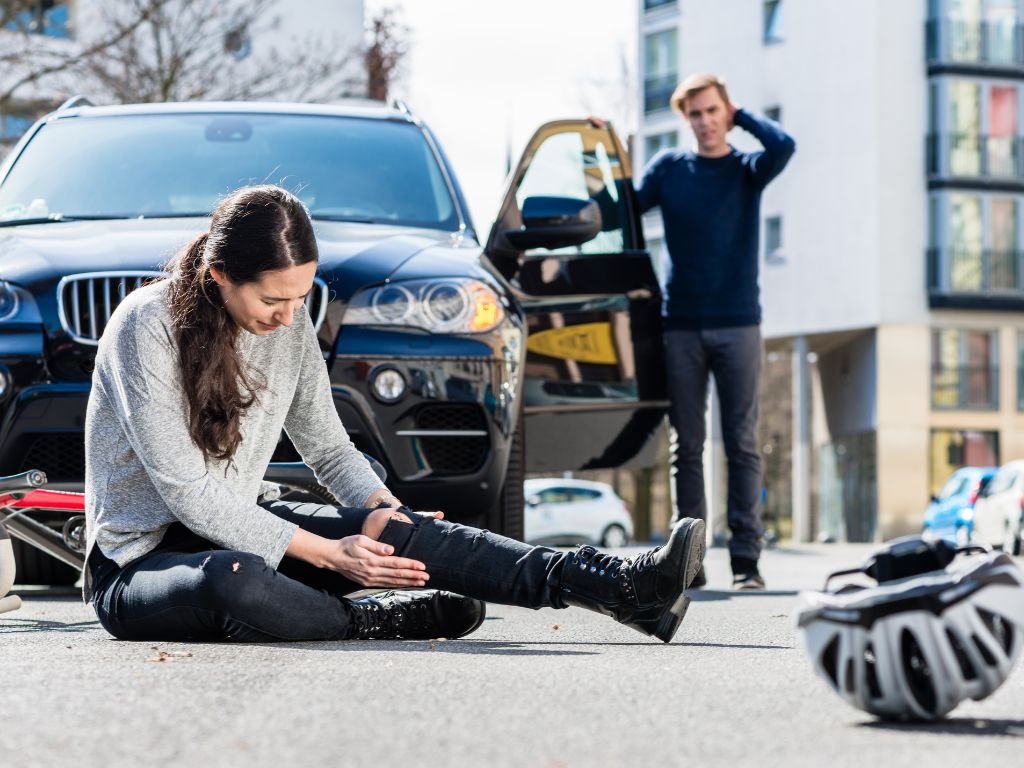
As the springtime comes and temperatures rise, so does the number of cyclists and motorcyclists on the road.
Spring riding season often brings a measurable increase in severe and catastrophic injuries involving cyclists and motorcyclists – many of which are preventable.
Common catastrophic injuries include:
- Traumatic brain injuries (TBIs)
- Spinal cord injuries and paralysis
- Multiple fractures
- Road rash requiring skin grafts
- Internal organ damage
- Amputations
Bicyclists, motorcyclists, and motorists all share responsibility for helping ensure the safety of others on the road.
Below, we explain the responsibilities of each.
Motorists
Motorists are the most protected group on the road, as the vehicle itself provides significant physical protection. Because of this, drivers must follow Massachusetts rules of the road and remain attentive to provide a safe environment for bicyclists and motorcyclists. Many serious crashes occur simply because drivers fail to look for cyclists or motorcyclists before making maneuvers.
- Check twice before turning
Collisions during turns are one of the most common causes of severe crashes between motorists and bicyclists or motorcyclists. Drivers often misjudge a motorcyclist’s speed or fail to see a bicyclist entirely. Always check twice before turning, especially at intersections. - Allow Safe Passing Distance
Drivers have a duty to provide a safe buffer when passing bicyclists and motorcyclists. Massachusetts law requires motor vehicles to leave at least 4 feet of space when passing a “vulnerable road user”. - Watch blind spots carefully
Cyclists and motorcyclists can easily disappear into a vehicle’s blind spots. Motorists should always check mirrors, look over their shoulder when it is safe to do so, and avoid abrupt lane changes. - Do not open car doors into bike lanes
Motorists must be careful not to open vehicle doors into bike lanes. “Dooring” accidents can seriously injure bicyclists or force them into traffic, leading to dangerous crashes. - Be Cautious at intersections
Failure to yield remains one of the leading causes of severe bicycle and motorcycle injuries. Motorists, bicyclists and motorcyclists must all obey traffic signals and signs and proceed cautiously through intersections.
Bicyclists
Although bicyclists often have the right of way when interacting with motorists, they are still required to follow traffic laws and take steps to protect their own safety. Cyclists have a legal right to use the roadway, but they also share responsibility for safe riding.
- Use Bike Lanes When Available When bike lanes are available, bicyclists should use them whenever it is safe to do so. Bike lanes are designed to create a safer space for cyclists and improve traffic flow for everyone on the road.
- Obey Traffic Signals and Signs
Cyclists are required to also obey traffic laws just like motorists. Running lights or stop signs significantly increases the risk of a collision and may also impact liability in the event of an accident. - Wear a Properly Fitted Helmet Helmets significantly reduce the risk of traumatic brain injury in a crash. In Massachusetts, riders age 16 and under are required by law to wear helmets. However, all riders are strongly encouraged to wear one to reduce the risk of serious injury.
- Increase your visibility There are several ways bicyclists can improve their visibility and make it easier for drivers to see them.
-
- Wear reflective clothing or gear
-
- Add reflective patches to clothing or backpacks
-
- Use lights when riding in low visibility conditions
Massachusetts law requires bicyclists to use lights from 30 minutes after sunset until 30 minutes before sunrise.
Motorcyclists
Motorcyclists face some of the most severe outcomes in traffic collisions because they have limited physical protection. Defensive riding is essential to reducing the risk of serious injury.
- Wear Full Protective Gear
The most important gear that a motorcyclists can wear is a helmet. In Massachusetts, all motorcycle operations and passengers are required to wear a helmet at all times.
In addition, wearing other gear such as protective jackets, gloves, long pants and proper footwear can reduce severe road rash, crush injuries and amputation risk. - Be Cautious at Intersections As noted above, many crashes between motorcycles and other vehicles occur at intersections. Both motorists and motorcyclists must exercise increased caution when approaching and crossing intersections.
- Don’t weave in and out of traffic
Weaving between lanes or aggressively moving in and out of traffic significantly increases the risk of a collision. Motorcyclists should maintain predictable movements, follow traffic patterns, and allow sufficient space between vehicles.
As cyclists and motorcyclists return to the roads during the spring and summer months, awareness, caution, and shared responsibility become even more important.
Motorists, bicyclists, and motorcyclists must all remain attentive and follow the rules of the road. By taking simple safety precautions and respecting one another’s space on the roadway, many serious and catastrophic accidents can be prevented.